
 by
by 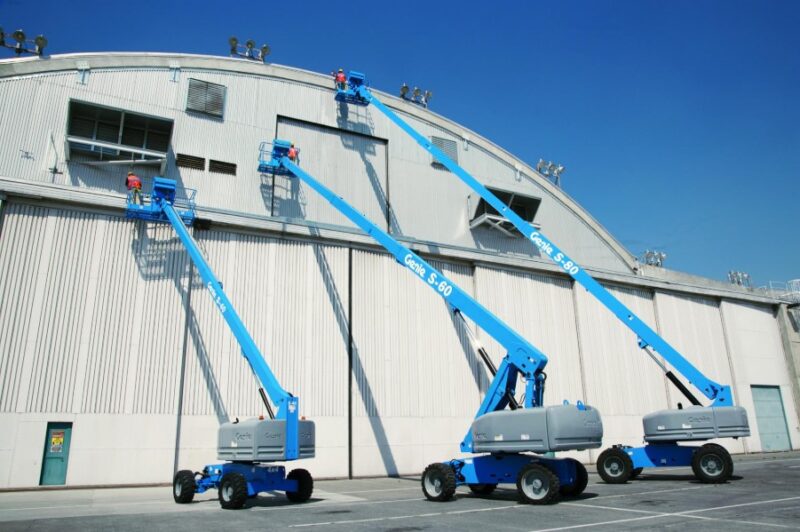
Boom lifts are specialized elevated work platforms designed to provide access to hard-to-reach areas in various industries, from construction to maintenance. These hydraulic machines utilize a series of articulating and telescoping arms, allowing for vertical and horizontal reach. The primary mechanics involve a boom, or extendable arm, that can pivot to provide access at different angles, making them invaluable for tasks such as installing fixtures, performing repairs, and conducting inspections.
Operators control boom lifts from a platform at the upper end of the boom, which can feature safety harness points, allowing workers to focus on their tasks without compromising safety.
The hydraulic system is at the core of the boom lift’s operation, utilizing pressurized fluid to move the arms and control the ascent and descent. This not only provides power to lift heavy loads but also ensures smooth operation during use.
In modern boom lifts, additional features such as level sensors, proportional controls, and on-board diagnostics enhance usability and safety, helping operators navigate various terrains and challenging work environments.
Page Contents
Types of Boom Lifts and Their Unique Applications
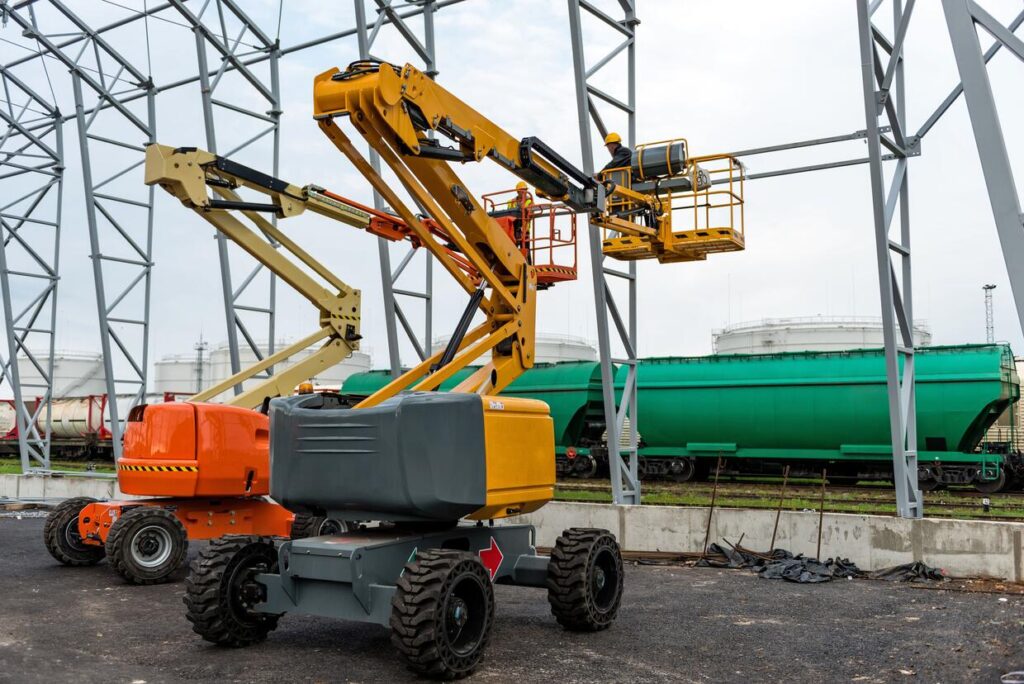
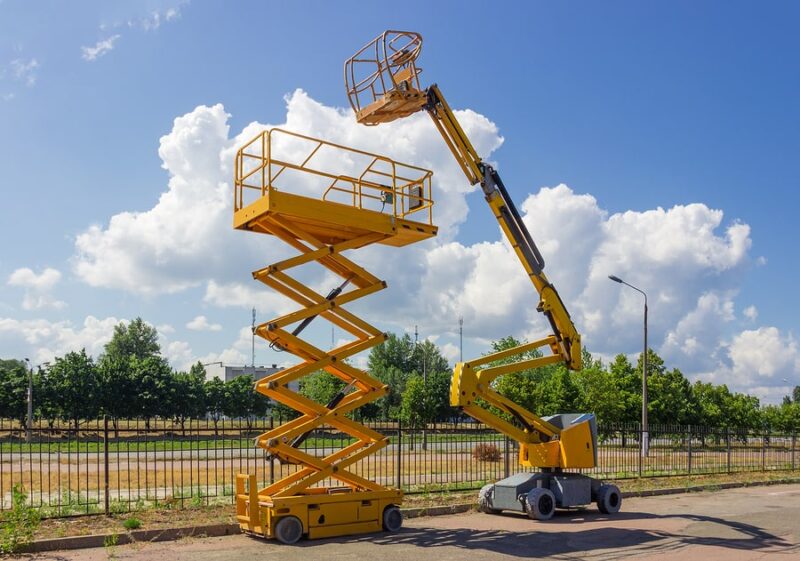
When it comes to boom lifts, choosing the right type is crucial for the success of any project. There are primarily two types: straight (or telescopic) boom lifts and articulating (or knuckle) boom lifts. Straight boom lifts are typically used for reaching high and distant locations.
They extend vertically and are equipped with a long single arm, making them ideal for construction projects where the vertical height is the primary concern. These lifts excel in straight-line reach and are favored for jobs such as steel installation, window washing, and high-rise building maintenance.
On the other hand, articulating boom lifts are equipped with multiple hinged sections, which allow them to navigate obstacles and reach over barriers. This makes them particularly useful for projects with confined spaces like warehouses or urban settings where maneuverability is essential.
They are ideal for tree trimming, electrical work, and setting up stages for events where precision access is required. Understanding these distinctions can help stakeholders select the right lift for their needs, maximizing efficiency and safety during operations.
Safety First ─ Essential Guidelines for Using Boom Lifts
Using a boom lift presents inherent risks, which makes adherence to safety guidelines paramount. Operators and crew members should always inspect the lift before use, checking the functionality of controls, emergency systems, and ensuring there is no visible damage. Wearing the necessary personal protective equipment (PPE) such as hard hats, harnesses, and non-slip footwear is also essential to safeguard against potential falls or injuries. Training is another critical safety measure; operators must be knowledgeable about the lift’s specific features and the environment in which it will be used. Comprehensive training helps enhance situational awareness and reduces the likelihood of accidents.
Additionally, safety protocols should encompass guidelines for working with electrical overhead hazards, weather conditions, and ground stability. Operators must maintain a safe distance from power lines, and windy conditions may require the lift to be grounded or not used at all.
Regular maintenance checks and adherence to operational limits as indicated by the manufacturer can further mitigate risks. Creating a safety culture that prioritizes training and communication among team members leads to a secure working environment, which ultimately enhances productivity and minimizes liabilities.
Rental 101 ─ Navigating the World of Boom Lift Rentals
Why Renting a Boom Lift Makes Economic Sense
Renting a boom lift can be a cost-effective solution for many projects, especially if the lift is only needed for a short duration. The initial purchase price of a boom lift can range from tens of thousands to several hundred thousand dollars, depending on the type and capabilities.
By renting, companies can conserve their capital and avoid the responsibilities of maintenance and repairs that come with ownership. Moreover, renting allows businesses to access the latest models with advanced features without having to invest in purchasing new equipment.
Fiscal prudence often dictates that operational flexibility is essential. Renting a boom lift can help businesses scale their equipment needs up or down based on project demands. It provides the opportunity to select a specific type of boom lift tailored for different projects without incurring long-term commitments. Furthermore, many rental companies offer maintenance, servicing, and delivery as part of their rental agreements, enabling businesses to focus on their project execution instead of logistical concerns.
How to Choose the Right Boom Lift for Your Project
Selecting the right boom lift involves considering several factors that drive the success of the project. Begin with the project requirements: assess the height and reach needed by evaluating the job site and understanding the tasks at hand. For projects requiring extensive vertical reach without obstacles, a straight boom lift is more suitable. Conversely, for navigating around tight corners or structures, an articulating lift is preferable.
Next, consider the weight capacity required for the specific job. Know the combined weight of the equipment and personnel who will be on the lift platform. Additionally, evaluating the terrain of the job site is crucial; for uneven or rough surfaces, look for boom lifts with features like four-wheel drive and robust outriggers for stability. Many construction companies turn to boom lift rentals to access the right equipment for each project, and rental providers often offer expert guidance to help select the ideal model based on these specifications, ensuring the chosen equipment meets operational needs.
Exploring Rental Terms ─ What You Need to Know Before Signing
Before signing a rental agreement, thoroughly examine the terms outlined by the rental company. Understanding the rental period is essential – whether it is a daily, weekly, or monthly rental, longer-term contracts may provide better rates. Be vigilant about the insurance requirements because most rental companies will require proof of insurance coverage for damage liability. This ensures that both parties are safeguarded against unforeseen damages during the rental period.
Additionally, check if the rental terms include maintenance, repairs, and customer service assistance in case the machine encounters issues. Understanding the policy on late returns, fuel costs, and any penalties associated with equipment damage is equally important. Clear communication with the rental company about all terms can prevent misunderstandings and ensure a smooth rental experience.
Budgeting Your Project ─ Finding the Best Deals on Boom Lift Rentals
Comparing Rental Costs ─ What to Look Out For
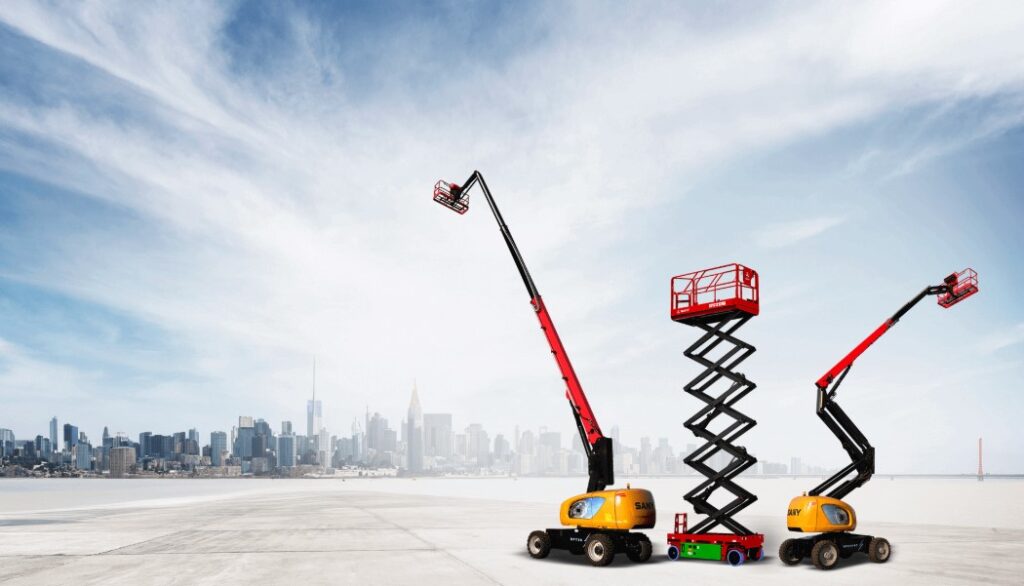
When budgeting for a boom lift rental, it is crucial to conduct thorough comparisons across different rental companies. Prices can vary significantly based on region, lift type, and rental duration. Look for detailed breakdowns of costs, which may include base rental fees, delivery and pickup charges, insurance costs, and any additional accessories or attachments needed for specific tasks.
Also, consider utilizing local rental companies alongside larger national chains. Smaller, local businesses may offer highly competitive pricing and personalized service, ensuring you get the best deal without sacrificing quality. During comparisons, don’t hesitate to inquire about any discounts or package deals that may be available for long-term rentals or multiple lifts.
Hidden Fees and Additional Costs ─ What to Avoid
One of the significant pitfalls in renting boom lifts is falling victim to hidden fees that can inflate overall costs. Always read the fine print of rental agreements to identify any additional charges that may apply. Common hidden costs can include late return fees, cleaning fees, and transportation costs outside of certain geographic limits.
To avoid these pitfalls, make inquiries before signing to clarify all aspects of rental terms. Asking detailed questions about what is and isn’t included in the rental price can help avoid unexpected expenses later on. It is also wise to document the condition of the equipment before and after use to avoid disagreements regarding damage claims which can often lead to surprise charges for repairs. Being proactive in understanding the rental agreement terms can save considerable expenses and enhances the overall rental experience.
Leveraging Seasonal Discounts and Promotions
Many rental companies offer seasonal discounts and promotions, which can be a great opportunity to secure your boom lift at a fraction of the cost. The winter months may see a lull in demand for lifts due to inclement weather, and thus some companies might offer reduced rates to encourage rentals. Similarly, during off-peak seasons, rental companies might provide package deals or promotions to accommodate an influx of customers.
Staying updated on industry trends and seasonal patterns allows businesses to plan their rental needs more strategically. Following rental companies on social media or subscribing to newsletters can provide timely updates on promotions and specials. Early planning can often yield significant savings, ultimately improving project budgets and facilitating better resource management.
Real-Life Applications ─ Success Stories with Boom Lifts
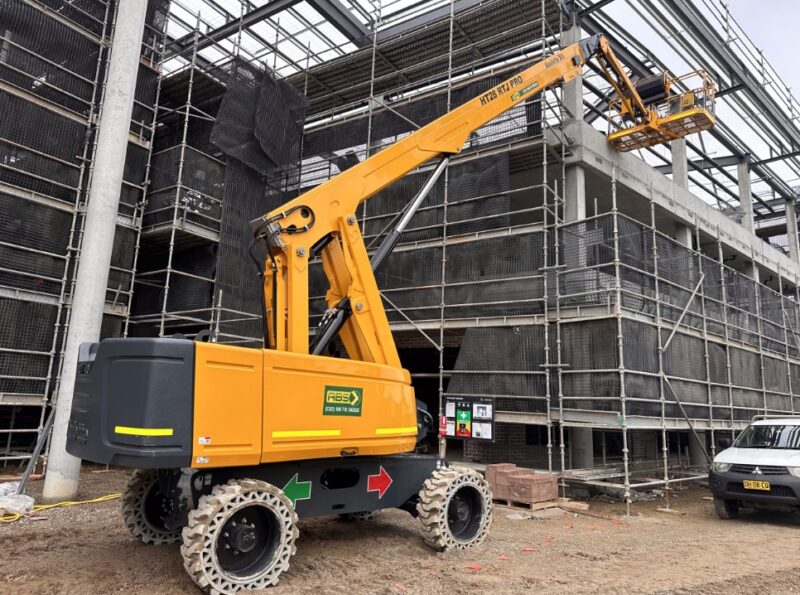
Construction Projects ─ Scaling New Heights with Boom Lifts
Boom lifts have become indispensable in modern construction projects, where accessing various levels of a structure safely and efficiently is vital. One notable success story is the construction of a high-rise building where multiple boom lifts were employed simultaneously to facilitate the installation of windows and façade panels on different floors. Their ability to extend well beyond the traditional scaffold reach allowed for accelerated installation timelines and enhanced worker safety.
This real-world application exemplifies the efficiency boom lifts bring to the construction industry. With their versatility, they enabled workers to perform complex tasks at significant heights while maintaining stable access, reducing potential delays caused by scaffolding setup.
Additionally, the operational speed facilitated project scalability, essential in meeting client deadlines. With all these simplifying factors, boom lifts provided an edge that translated to substantial project cost savings and completion efficiency.
Event Setups ─ Using Boom Lifts for Unique Installations
In the events industry, the artistic installation of decorations and lighting is paramount, particularly for large-scale events such as concerts, festivals, or corporate gatherings. A successful event firm utilized boom lifts to rig elaborate lighting structures and large-scale decorations that would have been impossible without these machines.
The flexibility provided by articulating boom lifts allowed the event team to position lights precisely where they were needed, overcoming obstacles like trees and rooflines.
The ability to reach high and maintain safety while executing intricate designs transformed the production quality of their events. This reinforced their reputation for excellence in event design and execution.
The use of boom lifts not only saved labor time but also significantly enhanced the visual aspects of the events, proving that investing in the right equipment can elevate overall project outcomes in creative industries.
Maintenance and Repairs ─ The Unsung Hero of Facility Management
When it comes to facility management, boom lifts are often the unsung heroes responsible for maintaining infrastructure and equipment at heights. A utility company recently showcased how boom lifts drastically improved their maintenance processes. Tasked with performing regular inspections and repairs on overhead power lines and lighting fixtures, the company relied heavily on boom lifts to reduce downtime efficiently.
Operators could access infrastructure without extensive rigging or scaffolding setups, enabling them to complete inspections faster and observe any necessary repairs. Moreover, routine tasks like changing light fixtures in stadiums became significantly safer and quicker.
This seamless integration of boom lifts into their maintenance routines increases safety and reduces project-related costs, illustrating the value that boom lifts add in the continuity of business operations within facilities management.